



Best Non GamStop Casinos in the UK 2026
Top Non-GamStop Casinos in the UK in 2026
Below, I’ve listed the best options I rate most highly right now based on licensing, payouts, game quality, payment flexibility, and overall player value. I don’t rank sites on welcome offers alone — I look at the details that actually matter once you sign up. Use this table as a quick snapshot of the top non-GamStop casinos, then I’ll break down what sets them apart in the sections that follow.


 Current bonus
  Accepts players from the UK
 Current bonus
Accepts players from the UK
Current bonus
Accepts players from the UK  Current bonus
Accepts players from the UK
Current bonus
Current bonus
Current bonus
Current bonus
Accepts players from the UK
Current bonus
Current bonus
Current bonus Non-GamStop Casino Detailed Reviews
In the reviews below, I go beyond surface-level rankings and explain what each site is actually like from a player’s point of view. My non-GamStop casino reviews focus on the things that matter most in practice: licensing, banking, game selection, bonus value, and how smoothly withdrawals are handled. The aim is simple — to show which casinos are worth your time, and which ones I’d approach with far more caution.
In my view, 7Bit Casino is the strongest all-round option for players who want a non-GamStop site with real depth behind it, not just flashy marketing. On its official website, 7Bit presents itself as a crypto-first casino with more than 9,000 games, around 100 software providers, multiple fiat and crypto payment options, and 24/7 customer support, which gives it a broader and more mature feel than many smaller offshore brands.
| License |
Curaçao Gaming Authority — licence no. OGL/2024/1307/0748 |
| Payment Methods |
Crypto and fiat options available, including Bitcoin, Ethereum, Tether, Visa, Mastercard, MiFinity, Interac, and Neosurf. |
| Support & Accessibility |
24/7 customer service and FAQ section. Well-rounded product with slots, table games, live casino, and instant-win titles. |
- Huge game library with strong provider coverage
- Good mix of crypto and traditional payment methods
- 24/7 support adds credibility
- Well-rounded product with slots, table games, live casino, and instant-win titles
- Crypto-first positioning will not suit every UK player
- Offshore licensing does not offer the same protections as a UKGC casino
- The site can feel feature-heavy for players who prefer a simpler interface
- Some payment and verification details still need checking before withdrawal

In my view, BitStarz is one of the strongest bonus-led non-GamStop casinos because its official site shows a much deeper rewards ecosystem than most offshore brands. Rather than relying on a single headline promotion, it combines tournaments, VIP cashback, ongoing reload-style rewards, and “level up” mechanics that reward regular play without requiring an opt-in every time.
What also helps BitStarz stand out is that the promotional side is backed by a mature overall product. On its official website, the casino highlights multi-currency support, original in-house games, a large catalogue of slots, and a long-running reputation built around awards and player reviews, which makes it feel more established than the average bonus-heavy site.
| Rewards System |
“Level up” bonuses with a 50,000 individual prize pool and no opt-in required. Slot Wars and Table Wars promotional tournament events available for additional winning opportunities. |
| VIP Perks |
Weekly cashback, surprise bonuses, reloads, and dedicated VIP support for loyal players adding long-term value beyond standard first-deposit offers. |
| Payment Methods |
Supports fiat and crypto currencies, including EUR, USD, CAD, AUD, BTC, ETH, LTC, DOGE, SOL, USDT, and USDC. |
- Strong ongoing bonus ecosystem beyond the standard first-deposit angle
- Weekly cashback and VIP rewards add long-term value
- Wide range of supported currencies, including major crypto options
- Established brand with original games and a polished product
- Bonus-heavy presentation may not appeal to players who prefer a simpler casino layout
- Crypto-first positioning will not suit every UK player
- Offshore protections are still different from what you get at a UKGC site
- Some promos are more useful to regular players than to casual depositors
It’s one of the most convincing picks for players who care about cashing out quickly rather than waiting through a slow manual process. On its official payments page, MyStake lists multiple crypto withdrawal methods as instant, while its FAQ makes it clear that bank withdrawals can take up to three days, which at least gives players a more transparent picture of how payout speed changes by method. The site also presents itself as a broad gambling platform with over 5,000 slots, exclusive mini games, and an integrated sportsbook, so it offers more than just a quick cashier.
| License & Operator |
Curaçao Gaming Authority — licence no. OGL/2024/250/0115. Operated by GTW B.V. |
| Withdrawals |
Instant crypto withdrawals for Bitcoin, Ethereum, XRP, Litecoin, Bitcoin Cash, Tether, Monero, and Dash. Withdrawal limits set at €7,500 per week and €15,000 per month. |
| Support |
Live chat and email support available via support@mystake.email. Combines casino, mini games, and sportsbook in one account. |
- Official site clearly lists instant crypto cashout options
- Good range of supported withdrawal coins
- Transparent withdrawal limits and payment rules
- Combines casino, mini games, and sportsbook in one account
- Faster payouts are tied mainly to crypto, not all banking methods
- Deposits must be wagered 1x before withdrawal
- Weekly and monthly withdrawal caps may frustrate high-value winners
- Verification can still delay withdrawals in some cases

Vavada is one of the most suitable picks for players who care primarily about live dealer play, because its official live section is clearly built around real-table content rather than treating live casino as an afterthought. The site highlights live games from major providers including Evolution Gaming, Ezugi, Playtech, and Pragmatic Play, which is exactly the sort of provider mix I look for when judging the strength of non-GamStop live dealer casinos.
It also looks like a well-rounded platform around that live offering. Official Vavada pages describe the site as owned and operated by Vavada B.V. in Curaçao, with support available through email and phone, which adds a layer of operational transparency I like to see on offshore sites.
| License & Operator |
Operates under a licence issued by the Government of Curaçao. Owned and operated by Vavada B.V. (RN 143168). |
| Live Casino Providers |
Evolution Gaming, Ezugi, Playtech, and Pragmatic Play. The live section is built around real-table content with a strong focus on dealer-led games. |
| Support |
Email support at support@vavada.net and phone support listed on the official contact page. |
- Strong official focus on live dealer content
- Good mix of major live casino providers
- Clear operator details on official pages
- Suitable for players who prefer table games over slot-heavy casinos
- Some live games may be unavailable depending on region
- Offshore protections are still not the same as at UKGC sites
- Official pages are not as easy to navigate as some bigger brands
- Licensing detail is broader than what some players may expect from top-tier regulated markets

BC.GAME works well for slot-focused players because its official site puts slots at the centre of the product rather than treating them as a side category. The platform says it offers 1,000+ slots, alongside live dealer tables, originals, and sports betting, with a mobile-ready layout, provably fair systems, and one shared wallet across the wider platform.
It is also a reasonable fit for players specifically looking for non-GamStop casinos with NetEnt games, because BC.GAME’s official pages include a dedicated NetEnt slot page and a provider policy that explicitly references NetEnt game availability and restrictions by region. That tells me NetEnt content is genuinely part of the offering, even if access can vary depending on where the player is located.
| License |
Anjouan, Union of Comoros — licence no. ALSI-202410011-FI1. |
| Slot Library & NetEnt Coverage |
1,000+ slots on the official slots section. Official NetEnt game pages plus provider-policy references to NetEnt game availability and restrictions by region. |
| Platform Strengths |
Provably fair systems, audited RNG, one wallet across casino and sportsbook, mobile-ready platform, and 24/7 support. |
- Strong official emphasis on slots
- Clear evidence that NetEnt titles are part of the wider game mix
- Smooth all-in-one setup with casino, originals, and sportsbook
- Mobile-ready platform with 24/7 support
- Crypto-first design will not suit every UK player
- NetEnt and other provider content can be region-dependent
- The interface feels broader than a pure casino-first brand
- Offshore licensing is still different from UKGC regulation

If you ask me, BetAndYou is one of the more interesting newer names in this space because its official company details show a Curaçao licence issued on 22 November 2024, which makes it a much fresher option than many long-established offshore brands. What I also like is that it is not just a basic casino skin: the official site presents a wider platform that includes slots, games, live casino, bingo, TV games, virtual sports, and a full sportsbook, so it has the breadth I usually want to see from a new brand trying to compete seriously.
| License & Operator |
Curaçao Gaming Control Board — licence no. OGL/2024/1164/0643. Operated by Tixi Multimedia B.V., with Multitix Limited listed as a wholly owned subsidiary. |
| Launch Profile |
Licence active since 22/Nov/2024, which supports its positioning as a newer casino brand in the non-GamStop space. |
| Product Range |
Slots, games, live casino, bingo, TV games, virtual sports, and a full sportsbook all available under one account. |
- Feels newer and less dated than many older offshore casinos
- Broad product range beyond standard slots and tables
- Official ownership and licensing details are clearly stated
- Good fit for players who want casino and betting in one account
- Newer brands still need more time to prove long-term consistency
- Official casino-specific detail is lighter than on some specialist casino sites
- Offshore regulation is still not comparable to UKGC standards
- Players who want a pure casino-only experience may find the sportsbook-heavy setup a bit broad
What Non-GamStop Casinos Are and How They Differ From UKGC Sites
GamStop is a free self-exclusion service for people in the UK who want to restrict their access to online gambling with UK-licensed operators. Once registered, a player can block themselves from participating sites for a chosen period, and all UKGC-licensed online gambling businesses are required to take part in the scheme. In simple terms, non-GamStop casinos are sites that operate outside that UK self-exclusion network.

When I talk about non-GamStop casinos, I mean gambling sites that sit outside the UKGC system and therefore outside the GamStop network. That distinction matters. GamStop itself says it blocks access to online accounts with gambling companies licensed in Great Britain, and the UK Gambling Commission states that all online gambling businesses must participate in the scheme. So if a casino is genuinely not on GamStop, it is usually operating under a non-UK licence rather than a British one.
The practical difference is not just branding or geography. A UKGC site has to follow British licensing rules, consumer-protection standards, and self-exclusion requirements, while a non-GamStop operator follows the rules of whichever offshore or non-UK regulator issued its licence. That does not automatically make it unsafe, in my view, but it does mean the compliance model, player safeguards, and dispute process can look very different from what British players are used to on UK-licensed platforms.
Non-UK casinos not on GamStop explained
In plain English, non-UK casinos not on GamStop are websites that can often still be accessed by British players, but they are not regulated by the UK Gambling Commission and are not plugged into the national self-exclusion system. GamStop was designed to cover online gambling operators licensed in Great Britain, not every gambling site on the internet. That is why players searching for these casinos usually end up on offshore platforms rather than British-licensed ones.
From what I have seen, this is also why the experience can feel looser. Registration may be simpler, promotions may be broader, and the product range may be less restricted, but the trade-off is obvious: the protections are not identical to what applies under UKGC oversight. I always think readers should understand that “not on GamStop” is really a licensing and regulatory issue first, not just a marketing label.
Where non-GamStop European casinos are licensed
This part is often misunderstood, so I prefer to be precise. Some non-GamStop European casinos are licensed in Malta, because the Malta Gaming Authority issues B2C remote gaming licences for Maltese or EU/EEA entities offering gaming services from Malta. The MGA framework covers casino, live casino, and betting verticals under a recognised European regulatory structure, which is why Malta-licensed brands often look more polished and compliance-driven than smaller offshore sites.
That said, many sites promoted to UK players as “non-GamStop” are not European-licensed at all. In reality, the most common non-UK licences I see are now Curaçao and Anjouan. Curaçao’s current framework requires an online gaming licence to offer remote gaming in or from Curaçao and explicitly ties licensing to player protection, responsible gaming, transparency, and the payment of winnings. Anjouan’s official authority likewise presents itself as the licensing and supervisory body for B2C and B2B internet gaming operations, with a public register and enforcement powers.
So my honest view is this: if a site is described as a “European non-GamStop casino,” I would never assume that means it holds a major European licence. Sometimes it does, especially in Malta, but very often it simply means the brand is marketed to European players while being licensed elsewhere.
Why some players choose offshore casinos over UKGC platforms
The main reason is freedom. Some players want access to casinos that are not connected to GamStop, while others are looking for a wider mix of bonuses, payment methods, crypto support, or a product range that combines slots, live casino, sportsbook, and alternative game types under one account. Offshore regulators such as Curaçao and Anjouan both frame their licensing systems around internet gaming operations for international markets, which helps explain why so many brands choose those jurisdictions instead of trying to enter the stricter UKGC environment.
But I think the deeper reason is philosophical. UKGC sites are built around tighter intervention, stricter compliance, and mandatory participation in systems like GamStop. Offshore casinos, by contrast, appeal to players who prioritise flexibility and access over maximum British-style consumer controls. That does not make one category universally “better” than the other in my eyes — it simply means they are designed for different expectations, and players should judge them with that in mind.
Why Players Look for the Best UK Non-GamStop Casinos
In my experience, players usually do not start by saying, “I want an offshore licence.” What they actually want is a gambling site that feels less restrictive: bigger promotions, broader banking, easier account use, and a game lobby that is not limited to the same narrow set of titles. Because GAMSTOP blocks access to gambling companies licensed in Great Britain, anyone searching for best UK non-GamStop casinos is usually looking for a platform outside that system altogether.
Here is the short version of what attracts players most:
| What players usually want | What non-GamStop casinos often offer |
|---|---|
| More value after signup | Reloads, cashback, tournaments, VIP rewards |
| Fewer restrictions on play | Higher flexibility around deposits, limits, and product access |
| More variety | Bigger slot libraries, live dealers, sportsbook hybrids, originals |
| More ways to pay | Crypto, cards, e-wallets, and sometimes prepaid options |
Examples from official operator pages include BitStarz rewards and VIP perks, 7Bit’s promotions and 9,000+ game catalogue, BC.GAME’s 1,000+ slots plus sports and originals, MyStake’s instant crypto payments, and Vavada’s live dealer providers.
Bigger bonuses and fewer promotional limits
This is probably the first thing players notice, and I can understand why. Offshore casinos often compete harder on retention, not just acquisition, so the bonus structure tends to be broader. On BitStarz’s official rewards page, for example, the site promotes a “level up” system, tournaments, weekly cashback, surprise bonuses, reloads, and dedicated VIP support. 7Bit, meanwhile, highlights varied promotions, tournaments, cashback, and a multi-level VIP programme rather than treating the offer as a one-and-done welcome package.
What matters to me personally is not the headline number but the shape of the promo ecosystem. A site becomes more interesting when it gives players several ways to extract value over time, not just one aggressive opening offer.
What I usually see players responding to most:
- ongoing cashback rather than one-off bonuses
- tournaments that reward regular activity
- VIP schemes with better long-term value
- reloads and surprise offers that keep returning users engaged
That said, I always think this is where readers need discipline. Bigger promo menus do not automatically mean better value if the wagering terms or withdrawal rules are poor.
More flexible deposits, limits, and account access
This part is less flashy, but it is one of the biggest real reasons players move away from UKGC sites. A UK-licensed operator has to participate in GAMSTOP, and the UK Gambling Commission has been clear that all online gambling businesses in Great Britain must take part in that scheme. So for some users, non-GamStop casinos are attractive simply because they sit outside that framework and can feel easier to access.
I do want to be careful here, though. As an industry observer, I can say this is a real reason people search for these sites; as a person, I do not think bypassing self-exclusion is a smart goal if someone genuinely needs distance from gambling.
There is also a more practical side to flexibility. MyStake’s official terms and payment pages show instant crypto withdrawals across multiple coins, while BC.GAME promotes instant deposits, low fees, fast withdrawals, and a one-wallet setup across casino and sportsbook. That kind of operational flexibility appeals to players who dislike rigid cashier systems or fragmented accounts.
Wider game libraries, including non-GamStop live casinos

This is where offshore brands often look strongest to me. Instead of focusing purely on slots, many of them build broader entertainment platforms. 7Bit says it offers more than 9,000 games and around 100 providers, while BC.GAME advertises 1,000+ slots, live dealer tables, crash games, originals, and full sports betting. That kind of breadth is one reason players gravitate toward non-GamStop live casinos rather than staying with narrower domestic platforms.
And if live casino matters, the difference becomes even more obvious. Vavada’s official live section lists major providers such as Evolution Gaming, Ezugi, Playtech, and Pragmatic Play, which is exactly the sort of supplier mix that makes a live lobby feel serious rather than token.
A few game-library features I think players actively look for:
- large slot count with modern mechanics
- dedicated live dealer sections
- sportsbook integration for hybrid players
- crash, instant-win, or in-house “originals” games
- mobile-ready lobbies that do not strip out features
My honest view is that game variety is one of the strongest arguments in favour of offshore sites. Even when I do not love every part of the regulatory setup, I can see why players are drawn to a product that simply offers more to do in one place.
More banking choice, from crypto to e-wallets
Banking is often the real deal-breaker. When players say they want a better casino, what they sometimes mean is: “I want a cashier that works the way I want it to.” On official pages, MyStake lists instant crypto deposits and withdrawals in Bitcoin, Ethereum, XRP, Litecoin, Bitcoin Cash, Tether, Monero, and Dash. 7Bit also presents a mixed banking setup with cryptocurrencies alongside fiat options such as Visa, Mastercard, MiFinity, Interac, and Neosurf. BitStarz, meanwhile, supports a wide multi-currency range across both fiat and crypto.
If you ask me, this is one of the most persuasive advantages of the category. UK players who want more banking choice, from crypto to e-wallets, often find that non-GamStop casinos simply give them more room to move.
At the same time, I would never treat payment variety as a substitute for trust. A long list of cashier options looks good, but the details that really matter are verification, processing times, and withdrawal limits.
Safe Non-GamStop Casinos: What I Check Before Recommending a Site
A lot of players ask me whether safe non-GamStop casinos actually exist. My answer is yes — but I do not treat “offshore” as a trust signal on its own, and I definitely do not assume that every casino outside the UKGC system is equally reliable. When I assess a site, I start with the basics: who owns it, who licenses it, whether the operator can be verified, and whether the rules around withdrawals, complaints, and responsible gambling are clearly stated in official documents rather than hidden behind vague marketing.
In practice, I trust the paperwork before I trust the homepage. A slick design means very little if the operator name is missing, the licence cannot be verified, or the terms feel deliberately vague.
Licensing, ownership, and player protection
The first thing I look for is a real legal identity. If a casino does not clearly show the company behind it, I immediately become cautious. The better operators make this visible. For example, 7Bit states that it is operated by Scores55 Tech B.V. and licensed by the Curaçao Gaming Authority under licence OGL/2024/1307/0748. MyStake names GTW B.V. and its Curaçao licence OGL/2024/250/0115. BetAndYou names Tixi Multimedia B.V. and gives licence OGL/2024/1164/0643. Those details do not guarantee perfection, but they do give me something concrete to verify.
What matters just as much is whether the regulator’s own framework sounds meaningful. Curaçao’s official online gaming portal says operators need a licence to offer online gaming in or from Curaçao and that licensing is tied to core objectives such as preventing fraud and money laundering, protecting players and minors, ensuring the payment of winnings, preventing gambling addiction, maintaining responsible gaming policies, and having an approved dispute-resolution system. That is a much better sign than the old stereotype that every offshore licence is just a rubber stamp.
Non-GamStop Curaçao casinos vs other offshore licences
This is one area where nuance matters. Many non-GamStop Curaçao casinos are now licensed under a more structured regime than players assume. According to the official Curaçao portal, the current framework requires direct licensing, due diligence, financial transparency, responsible gaming measures, and proof that the operator can meet player-withdrawal obligations. In my view, that makes modern Curaçao-licensed sites more serious than many people still give them credit for.
But Curaçao is not the only offshore route. Anjouan’s official gaming authority describes itself as the designated regulatory body for internet gaming in its jurisdiction, with licensing for both B2C and B2B, ongoing compliance obligations, supervisory oversight, a public register, and published enforcement actions. That is more structure than many casual players realise.
And then there is Malta, which is different again. The Malta Gaming Authority sits in a more recognisable European regulatory environment. Its official B2C remote-gaming framework covers casino, live casino, betting, and other verticals, with formal licensing categories and application requirements for Maltese or EU/EEA entities. If I see a genuine MGA-licensed casino, I usually treat that as a stronger signal than a generic offshore badge — though of course MGA sites are often not the ones marketed most aggressively as non-GamStop brands.
A simple comparison helps:
| Licence jurisdiction | What I like | What I still check carefully |
|---|---|---|
| Curaçao | Official framework now emphasises player protection, AML, responsible gaming, dispute systems, and payment of winnings | Actual operator quality still varies a lot from brand to brand |
| Anjouan | Public register, supervisory language, B2C/B2B structure, published enforcement actions | I want to see extra evidence of transparency from the casino itself |
| Malta (MGA) | Stronger European compliance culture and clearer licence structure | Not every site marketed to UK players with “European” branding is truly MGA-licensed |
In other words, I do not rank licences only by reputation. I rank them by what I can verify, and by how honestly the casino itself behaves underneath the licence.
How to spot safer operators and avoid weak ones
This is where instinct and documentation come together. I can forgive a slightly dated design or an overcomplicated menu. What I do not forgive is inconsistency. If the footer says one company, the terms say another, and the support page says almost nothing, I start assuming the operator is not worth the risk.
The safer operators tend to leave a paper trail. They name the company. They publish the licence. They explain withdrawal limits. They mention KYC. They give you a support address. They do not try to imply they are UK-regulated when they are clearly not.
The weaker ones usually reveal themselves in obvious ways:
- No operator name or registration details
- No visible licence number
- Very thin or generic terms
- Unclear withdrawal limits or payment rules
- Only promotional language, no compliance language
- No sign of responsible-gambling tools
- Confusing brand network or recycled site template
Personally, I also pay attention to tone. If a casino spends all of its energy screaming about “instant cashouts” and “no verification” but says very little about ownership, rules, or player protection, that is rarely a good sign. In my experience, the most trustworthy offshore casinos do not look anonymous. They look accountable.
One final point I think matters: a safer non-GamStop casino is not automatically a “safe choice” for every player. A site can be comparatively well run and still be the wrong fit for someone who needs stricter controls or support to stay away from gambling. That is why I always separate operator safety from player suitability — the two are related, but they are not the same thing.
How to Sign Up at a Non-GamStop Casino
Signing up at a non-GamStop casino is usually straightforward, but I never recommend rushing through the process just because an offshore site looks easy to join. In my experience, the safest approach is to treat registration as a basic credibility check: if the casino makes key terms, payment rules, or verification steps hard to find before you even open an account, that is already a warning sign.
Check the casino before you register
Before entering any personal details, I always look at the licence, ownership details, payment methods, and withdrawal policy. A lot of players focus on the bonus first, but I think that is backwards. The smarter move is to confirm that the site looks legitimate, supports the banking methods you want, and offers the kind of games you actually plan to play.
Open the account with accurate details
Most non-GamStop casinos ask for the basics: email address, password, username, date of birth, currency, and sometimes a phone number. My advice is simple — use real information from the start. If you enter incorrect details just to get through registration faster, you can create problems later when the casino asks you to verify the account before a withdrawal.
Confirm your email or mobile number
Some sites let you move straight into the casino lobby, while others ask you to confirm your email or phone first. It is a small step, but I see it as a useful one. A casino that follows at least some basic account-security procedures usually gives me more confidence than one that lets anyone in with no checks at all.
Complete your profile properly
After registration, many players skip the profile section and go directly to the cashier. I think that is a mistake. Filling in your name, address, and other account details early can make the whole process smoother later, especially if the operator requests identity documents when you try to cash out.
Choose your deposit method carefully
Once the account is live, the next step is usually making a deposit. This is where non-GamStop casinos often appeal to players, because the banking range can be broader than on UKGC sites.
If a site offers a very low starting amount, such as a £10 deposit option, that can be useful for testing the platform without committing too much upfront.
Verify your account before your first withdrawal
This is the part many players leave too late. Even if a casino lets you register and deposit in minutes, that does not always mean you can withdraw just as easily. My preference is to upload any requested documents early if the site allows it, rather than waiting until a withdrawal is pending. It saves time and reduces the risk of unpleasant surprises.
Bonuses at Non-GamStop Casinos
If there is one reason players keep drifting toward offshore sites, it is the bonus environment. In my experience, non-GamStop casinos are usually more willing to compete on promotions than UKGC brands are. That does not automatically make them better, but it does make them more varied: you see more cashback, more reloads, more VIP layers, and more free-spin mechanics built into the wider product. The catch, of course, is that the fine print matters far more than the headline.

Non-GamStop casinos with no-deposit bonuses
A lot of players search for non-GamStop casinos with no-deposit bonuses, but I think this phrase creates unrealistic expectations. True no-deposit offers do exist, yet they are rarely as generous as they sound. The official BitStarz bonus terms are a good example of how these promotions usually work in practice: winnings from free bonuses or no-deposit spins are capped, there is a 40x wagering requirement, and no winnings can be withdrawn until the player has made a qualifying deposit into the account. In other words, “no deposit” often means no deposit to claim, not necessarily no deposit ever required to cash out.
That is why I almost never judge a no-deposit offer by the top-line wording alone. What I want to know is:
- how much of the winnings can actually be kept
- whether a deposit is needed before withdrawal
- what the wagering multiple looks like
- whether the casino limits eligible games or payment methods
For casual players, these offers can still be useful as a way to test the site. But if someone expects them to function like free money, he will usually be disappointed.
Non-GamStop casinos with no-deposit free spins
This version of the offer is far more common, and generally more realistic. Instead of giving away bonus cash, casinos are more likely to attach a small number of free spins to registration, loyalty progression, or promotional events. The 7Bit official bonus terms, for example, show that some of its VIP birthday rewards include no-deposit free spins for certain player levels, while its VIP page also lists level-up free-spin rewards as players move through the loyalty ladder. That tells me something important: many non-GamStop free-spin offers are not always aimed at brand-new signups, but at keeping active users engaged over time.
I actually think that makes more sense. A small batch of spins on a selected slot is easier for the casino to control, and easier for the player to evaluate, than a vague “free cash” promise.
Here is how I tend to separate the main no-deposit formats:
| Bonus type | What it usually looks like | What I watch for |
|---|---|---|
| No-deposit cash bonus | Small bonus balance credited at signup | max cashout, deposit needed before withdrawal, heavy wagering |
| No-deposit free spins | Free spins on selected slots | game restrictions, low win caps, expiry period |
| Loyalty free spins | VIP, birthday, or level-up rewards | whether they are wager-free or tied to a bonus balance |
Welcome offers, reloads, cashback, and VIP perks
This is where offshore casinos usually become much more interesting. The one-off signup deal is only part of the picture. On official pages, 7Bit lists a Monday reload bonus, a Wednesday free-spins offer, weekly cashback, birthday bonuses, and VIP-linked rewards. BitStarz promotes a broader rewards system with tournaments, a “level up” prize structure, weekly cashback, reloads, surprise bonuses, and a VIP club with no max cashout or max bet on many bonus offers. MyStake goes even further into loyalty mechanics, with a Galaxy-style VIP system, marketplace rewards, weekly cashback, prize wheels, and level-up free spins.
Personally, this is the part of the bonus conversation I find most useful. A casino with a decent long-term rewards structure often has more real value than one with a flashy welcome offer and very little behind it.
A few bonus features I genuinely pay attention to:
- reloads that are available weekly, not just once
- cashback based on net loss, especially if it becomes wager-free at higher levels
- VIP progression with better exchange rates, lower wagering, or higher cashback
- tournaments that reward normal play rather than forcing awkward promo behaviour
- free-spin drops that appear regularly enough to matter
If a site offers only a first-deposit bonus and nothing else, I usually see that as a weakness.
How I read bonus terms before I trust an offer
This is the part most players skip, and it is exactly where the real value lives. I do not start with the percentage. I start with the escape clauses.
For example, BitStarz clearly states that free or no-deposit bonuses come with a 40x wagering requirement, a capped payout, and a deposit requirement before any winnings can be withdrawn. 7Bit’s bonus rules show recurring offers, but also different wagering structures, cashback conditions, and bonus-code mechanics. MyStake’s VIP terms distinguish between standard cashback with wagering and higher-level cashback that becomes wager-free, which is a very meaningful difference if you are comparing loyalty schemes seriously.
When I read bonus terms, I check these five things first:
- Wagering requirement – Is it reasonable, or designed to make cashout unlikely?
- Maximum withdrawal – Can I keep full winnings, or only a capped amount?
- Deposit condition – Is the bonus truly no-deposit, or only no-deposit to activate?
- Eligible games – Do slots, live casino, and tables contribute equally?
- Time limits – How quickly do the spins or funds expire?
If the terms are hard to find, overly technical, or clearly written to confuse the player, I stop trusting the offer. A good bonus should still look decent after you read the restrictions. If it only looks good before that, it is not a good bonus in my book.
Payment Methods at Non-GamStop Casinos
If bonuses get players through the door, payment methods usually decide whether they stay. In my experience, this is one of the clearest differences between UKGC sites and offshore brands. Non-GamStop casinos often lean harder into crypto, mixed-currency wallets, and alternative cashier setups, while UK-facing operators tend to feel more standardised. That extra flexibility can be useful, but it also means players need to read the payment rules more carefully than they would on a typical domestic site.
A quick snapshot of the range I see most often looks like this:
| Payment type | How common it feels at non-GamStop casinos | What I usually think of it |
|---|---|---|
| Crypto | Very common | Fast, flexible, but not for everyone |
| Cards | Common | Familiar, though sometimes slower on payouts |
| E-wallets | Common enough, but varies by operator | Good middle ground when available |
| Pay-by-phone / Boku | More niche | Convenient, but far from universal |
| Prepaid methods like Paysafe | Useful where supported | Better for budget control than for withdrawals |
Non-GamStop PayPal casinos
This is one of the most searched-for cashier angles, but I think it is also one of the most misunderstood. Non-GamStop PayPal casinos do exist from time to time, yet PayPal is much less visible on official offshore casino pages than many players expect. On the operator pages I reviewed directly, I saw crypto-heavy setups at MyStake, a multi-currency crypto-and-fiat setup at BitStarz, card and alternative payment support at 7Bit, and e-payments like Skrill and Neteller at BetAndYou — but not strong, repeated official PayPal positioning across the brands I checked.
If PayPal matters to you, never assume it will be there just because an affiliate review says so. Check the live cashier, check the payment page, and check whether PayPal is supported for both deposits and withdrawals. Offshore casinos often change payment availability by country, currency, or risk profile, and that is exactly where players get caught out.
Non-GamStop Boku casinos and pay-by-phone options
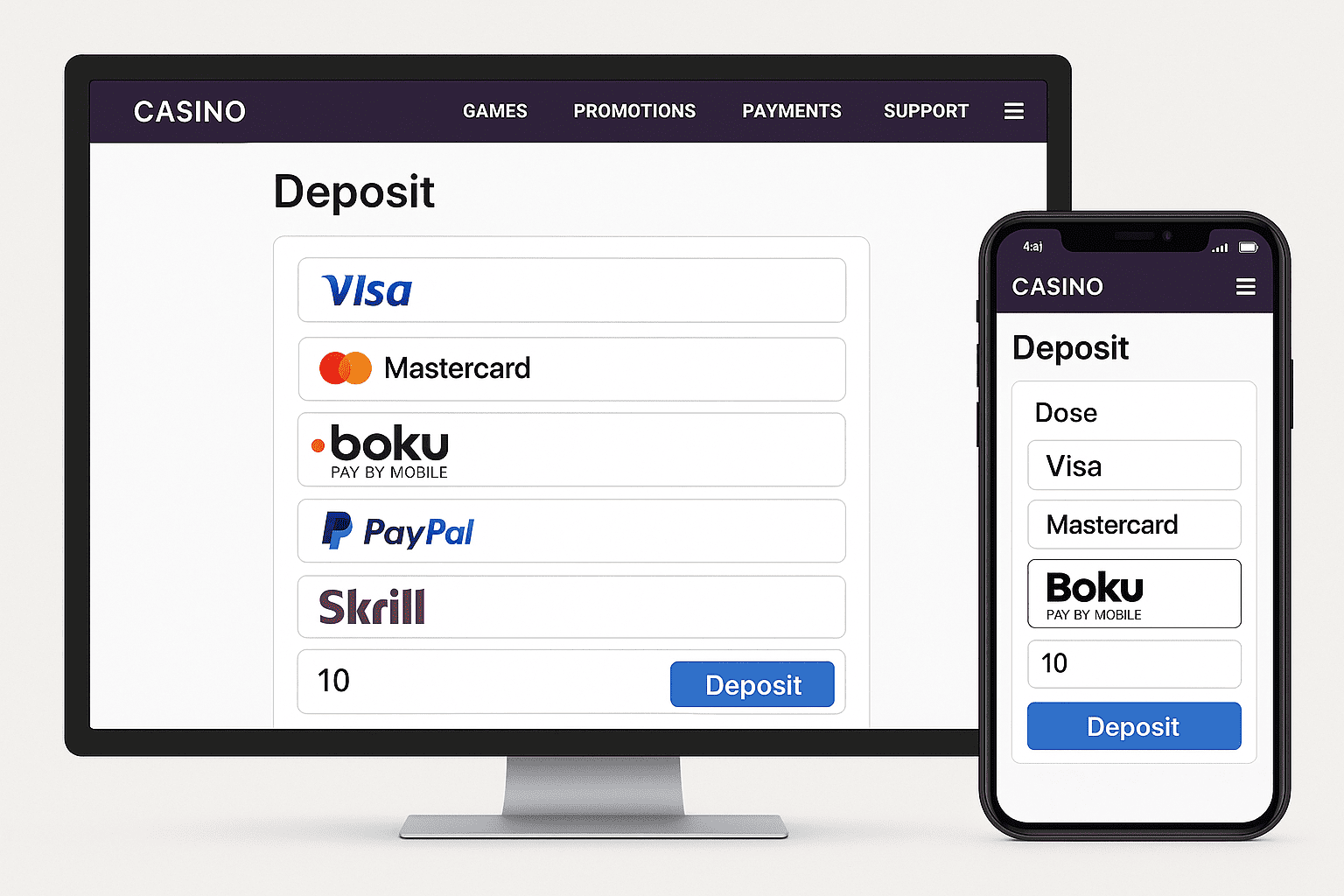
I treat non-GamStop Boku casinos and broader pay-by-phone casinos as niche products rather than standard ones. They are attractive because they feel quick and private enough for casual deposits, especially for players who do not want to use a bank card directly. But from what I can see on official operator pages, they are nowhere near as consistently highlighted as crypto, cards, or mainstream e-wallets. Across the sites I checked, the clearer official emphasis was on crypto at MyStake, multi-currency and crypto at BitStarz, and card/e-wallet alternatives at 7Bit and BetAndYou.
That is why I usually give this advice in plain terms:
- treat Boku and pay-by-phone as bonus conveniences, not core cashier options
- assume availability may depend on country and mobile network
- expect these methods to be better for small deposits than for serious long-term banking
- verify whether withdrawals must go back through a different method
Non-GamStop Paysafe casinos and prepaid deposits
Prepaid methods such as Paysafe are usually popular for one reason: control. If a player wants to separate gambling spend from his main banking profile, prepaid deposits can make a lot of sense. I think that is the real appeal of non-GamStop Paysafe casinos. The problem is that prepaid support is often harder to confirm in advance than players think, and it is not always presented as clearly on official offshore sites as crypto or card options are.
Among the casinos I reviewed directly, 7Bit clearly presents a broad non-crypto payment mix through methods like Visa, Mastercard, MiFinity, Interac, and Neosurf, while BetAndYou names Skrill and Neteller among its e-payment options. FreshBet’s official site snippet also claims 28 payment methods across bank cards, e-wallets, and 13 cryptocurrencies, which is the kind of wide payment spread where prepaid options sometimes appear.
Personally, I think prepaid methods are most useful for players who care more about budgeting than speed. They can be excellent for deposits, but I never assume the withdrawal experience will be equally straightforward.
Non-GamStop casinos in the UK with a £10 deposit
This is one of the most practical searches in the whole niche, and I understand why. A lot of players are not looking for a huge bankroll play — they just want non-GamStop casinos in the UK with a £10 deposit or something close to it.
Officially, MyStake is one of the clearest examples of a low-entry cashier setup, because its payment page lists 10 USDT as a minimum for both deposit and withdrawal via Tether, alongside instant processing across several cryptocurrencies. Vavada’s terms snippet goes even further and says the platform has no minimum deposit or withdrawal amount, although third-party processors may still impose limits in practice. BC.GAME’s official ecosystem also repeatedly promotes a $10 first deposit in its own betting guides and bonus pages, which puts it in the same low-barrier category for many players.
Here is the way I would frame it:
| Casino / platform | Official low-entry clue | My take |
|---|---|---|
| MyStake | 10 USDT minimum listed for deposit and withdrawal | Good for low-entry crypto users |
| Vavada | No minimum deposit or withdrawal amount stated, subject to processor limits | Flexible on paper, but confirm live method rules |
| BC.GAME | $10 first deposit messaging in official ecosystem | Low barrier, especially for bonus-led players |
Withdrawal times, limits, and hidden conditions
This is where the payment conversation stops being fun and starts becoming important. The front-end cashier usually looks simple. The real story sits in the terms.
A few official examples show exactly why. MyStake lists several crypto withdrawals as instant, but its general terms also impose weekly and monthly cashout limits and allow verification checks before payout. 7Bit’s terms say deposits must be wagered 3x, or 10x on table/live games, before withdrawal, and it sets maximum withdrawal limits in BTC terms. BitStarz states that active deposited amounts must be played through at least once before withdrawal, and its bonus terms impose caps and deposit requirements on no-deposit winnings.
The hidden conditions I always check are these:
- same-method withdrawal rules (BetAndYou explicitly says winnings are paid out through the same method used to deposit);
- deposit playthrough before cashout (7Bit and MyStake both attach wagering logic to deposited funds before withdrawal);
- weekly or monthly payout caps (MyStake and 7Bit both set hard withdrawal ceilings);
- KYC at withdrawal stage (even casinos that feel easy to join can slow down sharply once documents are requested. BitStarz, 7Bit, and MyStake all make room for verification checks in official terms).
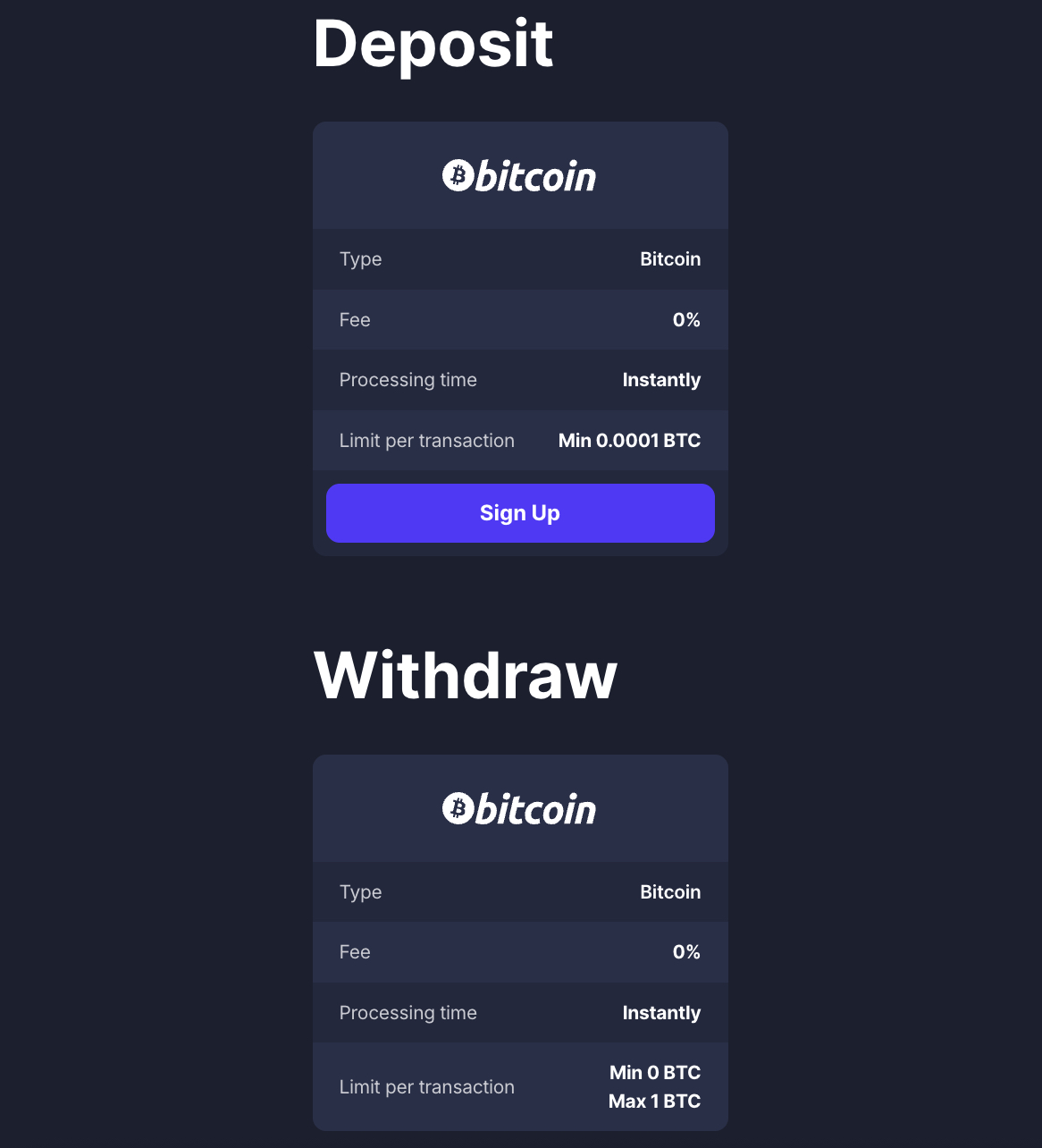
I trust a payment method only after I have looked at the withdrawal rules attached to it. “Instant” is a nice word on a homepage, but the real test is whether the casino tells you about limits, verification, and same-method conditions before you try to cash out.
Games at the Top Non-GamStop Casinos
One reason these sites keep attracting attention is simple: the game mix is usually broader and less boxed in. In my experience, players rarely move to non‑GamStop platforms for one title alone; they do it because they want everything in one place — deep slot libraries, live tables, instant‑win content, and often a sportsbook on top. The better sites tend to feel more like full gaming hubs than narrow casino lobbies.
Non-GamStop casinos with NetEnt games

NetEnt is still one of the software names many players actively look for, especially those who prefer familiar slot mechanics and established studio quality. That said, I always tell readers not to assume availability just because a site mentions a provider somewhere in its marketing. In this segment, game access can depend on jurisdiction, internal provider agreements, and territorial restrictions written into the terms.
What I look for is not hype, but signals that the provider is genuinely integrated:
- official game pages
- provider references in the lobby or help section
- terms that clearly mention regional restrictions
- a catalogue that feels current rather than padded with inactive titles
Non-GamStop live casinos and live dealer tables
Live casino is another major draw, and this is where offshore sites often feel more complete than many players expect. A strong live section should include the core table lineup, stable streaming, multiple betting limits, and enough variety for both casual and serious table players. When I assess live dealer quality, I care far more about lobby depth and session smoothness than flashy banners.
A good live casino usually offers:
| Feature | Why it matters |
|---|---|
| Multiple live tables | More choice and less crowding |
| Different stake levels | Better fit for casual and high-stakes players |
| Smooth mobile streaming | Essential for players who don’t use desktop |
| Recognisable studio support | Usually means more reliable production quality |
Slots, table games, bingo, and crash titles
The top non‑GamStop casinos are not just slot warehouses, although slots still dominate most lobbies. The better platforms balance high‑volume slot libraries with classic table games, lighter casual formats like bingo, and modern fast‑play products such as crash games or originals. Personally, I see this as one of the clearest advantages of the category: you are not pushed into one playing style.
In broad terms, the content mix usually looks like this:
- Slots for volume, themes, jackpots, and bonus features
- Table games for players who want blackjack, roulette, baccarat, or poker variants
- Bingo and casual formats for lower-pressure sessions
- Crash and instant-win titles for faster, more volatile gameplay
Sports betting and hybrid casino sites
Another pattern I keep seeing is the rise of hybrid platforms. Instead of separating casino and sportsbook products, many non‑GamStop operators now combine them under one account, often with a shared wallet and one login across all sections. For some players, that convenience is a real plus. For others, it can make the platform feel cluttered. I’d say it depends on whether you want a focused casino session or a more all‑in‑one gambling setup.
How to Choose Non-GamStop Casinos That Fit Your Style
When people ask me how to choose non-GamStop casinos properly, I usually give the same answer: stop chasing the loudest homepage and start reading the site like an operator would. A flashy lobby means very little if the payment policy is vague, the ownership is hard to verify, or the software mix looks padded with filler. The best UK non-GamStop casinos, in my view, are not just generous or modern-looking — they are usable, transparent, and consistent once you get past the marketing layer.
What I look for in reviews, banking, and software
Before I trust any review section or ranking table, I cross-check three things: who runs the site, how money moves in and out, and whether the game catalogue looks genuinely broad rather than artificially inflated. Official terms and support pages tell me far more than affiliate blurbs do. If a casino clearly names its operator, shows a licence, explains KYC, and publishes payment rules, I take it more seriously straight away.
| Area I check | What I want to see | Why it matters to me |
|---|---|---|
| Reviews | Real discussion of withdrawals, verification, and software depth | Tells me whether the site performs well after sign-up |
| Banking | Clear deposit methods, withdrawal rules, and stated limits | Helps avoid unpleasant surprises at cash-out |
| Software | Recognisable providers, live casino depth, and more than just slots | Shows whether the site fits my play style long term |
| Terms | Named operator, licence number, readable rules | A basic trust filter |
On banking, I prefer sites that make their cashier logic easy to understand. Crypto speed is attractive, but I also want to know the minimums, whether withdrawals must return via the same method, and whether there are weekly or monthly caps hidden in the fine print. That is where official payment pages and terms separate stronger brands from weak ones.
On software, I look for range rather than raw volume alone. A large number sounds impressive, but it matters more whether the site mixes slots, live tables, table-game staples, instant-win content, and sometimes sports betting in a way that suits how you actually play. If I see only one category done well, I treat the site as niche rather than truly versatile.
When independent non-GamStop casinos are worth considering
I do think independent non-GamStop casinos can be worth considering, but only when “independent” does not mean “opaque.” Smaller or less mainstream brands sometimes move faster, feel less templated, and offer a more distinctive product. The catch is that they also need to work harder to prove they are safe enough to trust. For me, that means I want clean ownership details, a visible complaints route, and terms that read like operating rules rather than recycled marketing copy.
Green flags I personally look for:
- a named company behind the site
- a visible licence number
- clear withdrawal conditions
- support channels beyond a generic contact form
- responsible-gambling or self-exclusion information
- a game and payment setup that feels maintained, not abandoned
If those basics are missing, I do not care how attractive the design is or how aggressive the promotion sounds. Independent can be appealing, but only if the fundamentals are stronger than the branding.
Why newer non-GamStop launches can be appealing to British players
I understand why players are drawn to new non-GamStop casinos in the UK-facing market. Newer brands often arrive with sharper mobile design, broader payment menus, and a more aggressive early push on rewards, game variety, or product range. They are usually trying to win attention quickly, and that can create genuine value for players who like exploring fresh platforms before they become crowded or conservative.
That said, I never treat “new” as a quality mark by itself. A newer casino may feel smoother and more ambitious, but if its terms are underdeveloped or its withdrawal policy is thin on detail, the shine wears off fast. In practice, I like newer sites most when they combine launch energy with old-fashioned transparency.
Latest Non-GamStop Casinos and New Launches to Watch
The latest non-GamStop casinos always get attention, but I think players often watch the wrong things. They focus on “brand-new” labels, homepage banners, and oversized launch claims, when the smarter move is to watch how a site is built in its first phase: licensing clarity, cashier options, software balance, and whether the rewards system looks sustainable beyond the opening push.
Brand-new non-GamStop casinos
When I assess brand-new non-GamStop casinos, I start with timeline clues, but I do not treat “new” as a strength on its own. A recent licence, a fresh support section, and a product range that still looks to be expanding can suggest that a site is in an earlier stage of development rather than long established. Names that fit that conversation include BetAndYou, which operates under a Curaçao licence issued in late 2024, and FreshBet, which feels like a newer-generation brand still building out its long-term reputation and market presence.
Still, a brand-new site makes me more cautious, not less. Limited track record is a real weakness, especially when there is not yet much evidence of how consistently withdrawals are handled, how responsive support is under pressure, or how stable the platform will look after the early promotional phase. I may find a newer casino interesting, but I do not automatically find it trustworthy.
What matters more than “new”: reliability or novelty
If I had to choose between a reliable site and a newer one with more hype, I would pick reliability every time. Novelty is useful only when it comes with solid ownership details, workable payment rules, and policies that show the operator expects to be around for more than one season. That is especially true in the offshore space, where the burden is on the player to read carefully and judge risk for himself.
So enjoy novelty, but do not pay a premium for it in trust. A newer casino can absolutely be worth your attention, yet I would still rank operator transparency, withdrawal clarity, and software quality ahead of the fact that it launched recently. In this niche, reliability is what turns a curious click into a site I would actually recommend.
Responsible Gambling Beyond GamStop
This is the part many affiliate pages rush past, but I do not. Non-GamStop casinos may offer more freedom, yet that freedom cuts both ways. Once you step outside UKGC rules, you are moving away from a system where all licensed operators must participate in GAMSTOP and update self-exclusion data regularly. In other words, the safety net is no longer built around you in the same way, so personal discipline matters far more.
When I would not recommend non-GamStop sites
I would not recommend non-GamStop sites to anyone who has signed up to self-exclude and is actively trying to stay away from gambling. That is the clearest line for me. If a player is using GAMSTOP for protection, looking for offshore alternatives defeats the purpose of the exclusion in the first place. The UK system is designed to work alongside other support tools, including the TalkBanStop network, which combines self-exclusion, blocking software, and specialist help.
I also would not recommend them to players who:
- struggle to stop once they start
- chase losses after a bad session
- rely on gambling as a way to make money
- feel tempted by looser rules more than by the games themselves
- know they need hard external limits, not just good intentions
That may sound blunt, but I think honesty is more useful here than sales language. If someone needs friction, softer offshore controls are not a benefit — they are a risk.
Tools some offshore casinos still provide
One mistake people make is assuming offshore automatically means no responsible-gambling tools at all. That is not true. Some non-GamStop operators do publish self-exclusion options, time-out tools, account limits, cooling-off periods, customer-support access, and links to outside support res. The difference is that these measures are operator-specific, not part of one unified UK-wide framework.
Here is the basic contrast I keep in mind:
| Area | UKGC system | Offshore/non-GamStop system |
|---|---|---|
| Self-exclusion | Centralised through GAMSTOP across licensed operators | Usually site by site |
| Blocking support | Often paired with broader UK help tools | Depends on the operator |
| Enforcement | UK-wide licence conditions | Depends on the regulator and operator |
| Player responsibility | Shared with the regulatory system | Much heavier on the player |
Some offshore tools are still useful, especially if they are clearly explained and easy to activate. The most valuable ones, in my view, are the simple ones: time-outs, long self-exclusion periods, deposit or account limits, and support that can actually be reached without friction.
Staying in control when playing outside UKGC rules
If someone is going to play outside UKGC rules, I think he needs a stricter routine, not a looser one. I would set a fixed budget before logging in, avoid impulsive redeposits, treat bonuses as secondary, and stop immediately if gambling starts to feel like recovery rather than entertainment. Offshore flexibility should never be mistaken for protection.
My practical rule is simple:
- decide your loss limit before the session starts
- keep deposits small and deliberate
- use time-out or self-exclusion tools early, not late
- never chase losses with a bigger second deposit
- if gambling feels stressful, step away completely
That approach matters because offshore regulators may still require responsible-gaming obligations, AML standards, and supervisory oversight, but none of that replaces personal boundaries. Regulation can support you; it cannot control you.
Final Verdict on the Best UK Non-GamStop Casinos
My final view is straightforward: the best UK non-GamStop casinos are not the ones shouting the loudest about bonuses, but the ones that combine clear ownership, readable terms, workable payments, broad software, and some form of visible player protection. Bigger offers and fewer restrictions can be attractive, but they only matter if the site is reliable when it comes to verification, withdrawals, and support.
That is why I never judge this category by novelty alone. I would rather recommend a site with transparent rules and solid cashier logic than a newer platform with louder promotions and weaker fundamentals. In this niche, trust is built through boring details — licence visibility, withdrawal clarity, support access, and responsible-gambling tools — not just headlines.
So if I had to sum it up in one sentence, it would be this: non-GamStop casinos can suit experienced players who value flexibility and know their limits, but they are a poor fit for anyone who needs the stronger guardrails built into the UK system.
FAQs
Are non-GamStop casinos legal for UK players?
The practical answer is that non-GamStop casinos are not UKGC-licensed alternatives. GAMSTOP applies to UK-licensed online operators, and the UK Gambling Commission requires licensed businesses to participate in that system. Offshore casinos instead operate under non-UK licences, which means they sit outside the British regulatory framework and its protections. I would treat them as offshore options that may be accessible in practice, not as the legal equivalent of a UK-regulated casino. It is also worth noting that some offshore brands explicitly restrict the UK in their own terms.
Are safe non-GamStop casinos really available?
Yes, but I use the word safe carefully here. Safer non-GamStop casinos do exist, but they are only safer relative to the rest of the offshore market, not safer than a properly regulated UKGC site by default. What I want to see is a named operator, a visible licence number, clear payment rules, support access, responsible-gambling tools, and a complaints route. Regulators such as Curaçao and Anjouan Gaming both publish compliance frameworks, and some offshore casinos do provide self-exclusion, time-outs, and account-control tools.
Which non-GamStop casinos pay out fastest?
In my experience, the fastest payouts usually come from crypto-first casinos, not from sites relying mainly on cards or slower banking rails. Based on the official pages I checked, MyStake says its crypto transactions are processed instantly, BitStarz says withdrawals are aimed to be paid within one hour, and Vavada states payouts can take from a few minutes up to 24 hours. That said, “fast” still depends on KYC, payment method, internal review, and withdrawal limits, so I never judge payout speed by marketing alone.
Can I find non-GamStop casinos with PayPal, Boku, or Paysafe?
Sometimes, but I would not assume those methods are available just because an affiliate list mentions them. On the official payment pages I reviewed, the most consistently documented options were crypto, bank cards, and e-wallets, not PayPal, Boku, or Paysafe. For example, I found strong official evidence for crypto support, cards, and methods such as Skrill, Neteller, MiFinity, Interac, and Neosurf, while support for PayPal, Boku, or Paysafe was far less consistently documented on official pages. My rule is simple: always check the live cashier for your country before registering if you specifically want non-GamStop PayPal casinos, non-GamStop Boku casinos, or non-GamStop Paysafe casinos.
Are there good non-GamStop live dealer casinos?
Yes, there are, but I rate them by the quality of the live setup rather than by the size of the homepage banner. A good non-GamStop live dealer casino should have a proper live lobby, multiple table types, a range of stakes, stable streaming, and support from established live studios. That is what makes non-GamStop live casinos worthwhile for players who prefer roulette, blackjack, baccarat, and game-show formats over slots.
Do new non-GamStop casinos offer better bonuses?
Sometimes they do, because newer brands often launch aggressively to win attention. But I would never say that new automatically means better. What matters more is whether the offer still looks good after you check the wagering, max cash-out, withdrawal conditions, and recurring value beyond the first deposit. A newer site may be more generous at launch, but I would still put reliability ahead of novelty every time.

Ryan Fletcher
Independent iGaming Researcher & Casino Expert
Ryan Fletcher is an independent iGaming researcher with a strong background in casino reviews, gaming software, payment methods, and bonus analysis. His work is built around careful evaluation, clear explanations, and a straightforward editorial style shaped by hands-on market research.
